The Impact of Social Media on the Rise of Men's Hair Trends
Wiki Article
Social media platforms have played a major role in the development of male grooming trends and style movements over the last decade. Platforms such as Instagram have transformed how haircuts are identified, distributed among users, and adopted in different regions. In the past, men often relied on local barbers, grooming publications, or celebrities for hair inspiration. Today, online media spreads instantly, enabling individuals to review classic fades, structured undercuts, textured crops, and pompadours within seconds. This constant exposure to image-based content has accelerated trend cycles and expanded awareness of men’s grooming, barbering techniques, and styling products.
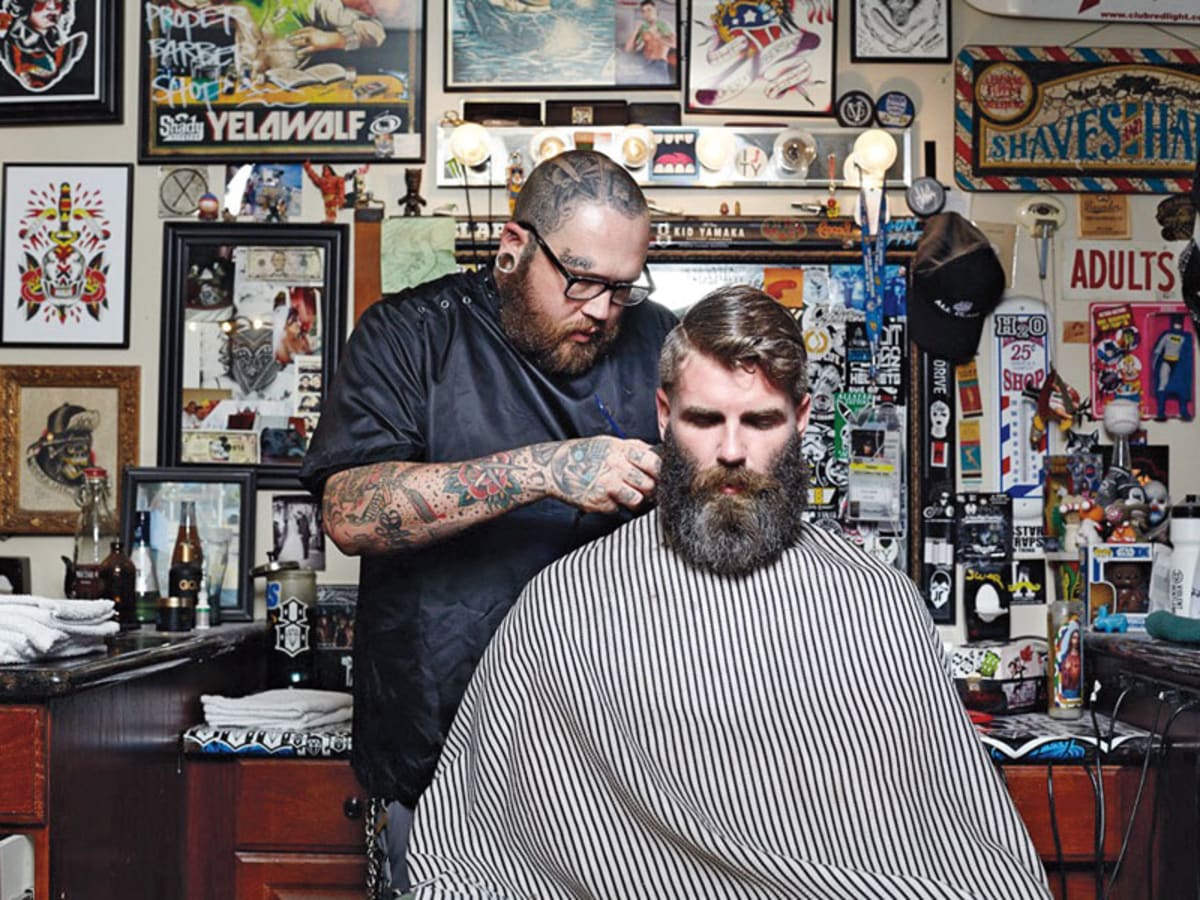
Instagram specifically has shaped the popularity of distinct haircut styles by giving barbers a global stage. Skilled hairstylists now share high-resolution photos and brief instructional videos that highlight precise clipper work, fade transitions, and finishing techniques. Hashtags related to men’s grooming, skin fades, and beard detailing make it easier for users to search for inspiration. As a result, certain looks achieve quick popularity and become widely requested in barbershops. Styles such as low fades, medium fades, slick backs, and curly fade variations have expanded beyond their original communities and reached a wider demographic through visual sharing and influencer marketing.
The growth of influencers and online personalities has also refined men’s grooming expectations and hair fashion preferences. Athletes, musicians, and fitness figures often display carefully styled hair as part of their public image. Their audiences observe not only the haircut itself but also the grooming routine, including pomade, matte clay, and styling cream. This consistent exposure encourages men to invest more time in hair health, scalp maintenance, and regular barber visits. As a result, male hairstyles now reflect both style and maintenance, emphasizing check defined edges, texture and volume, and overall presentation.
Another notable outcome of social media is the expanded diversity in hair representation. Men with fine, wavy, curly, and coiled hair can find hairstyle ideas that align with their hair texture. Barbers demonstrate advanced skills such as line-ups, taper fades, twisted styles, and fringe haircuts. This visibility supports self-confidence and helps validate diverse grooming preferences. It also supports professional growth for barbers, who use digital portfolios to gain clients, build reputations, and highlight expertise in modern haircutting and styling techniques.
Overall, Instagram along with other digital platforms have significantly shaped the evolution of men’s hairstyles and grooming movements. They have shortened the life cycle of trends, broadened access to international inspiration, best site and elevated standards for precision and creativity in barbering. Men now view hair fashion with increased awareness, informed by digital tutorials, product reviews, and global visual references. The connection between digital media and personal grooming continues to influence how hairstyles are chosen, maintained, and understood in contemporary culture.